Advice
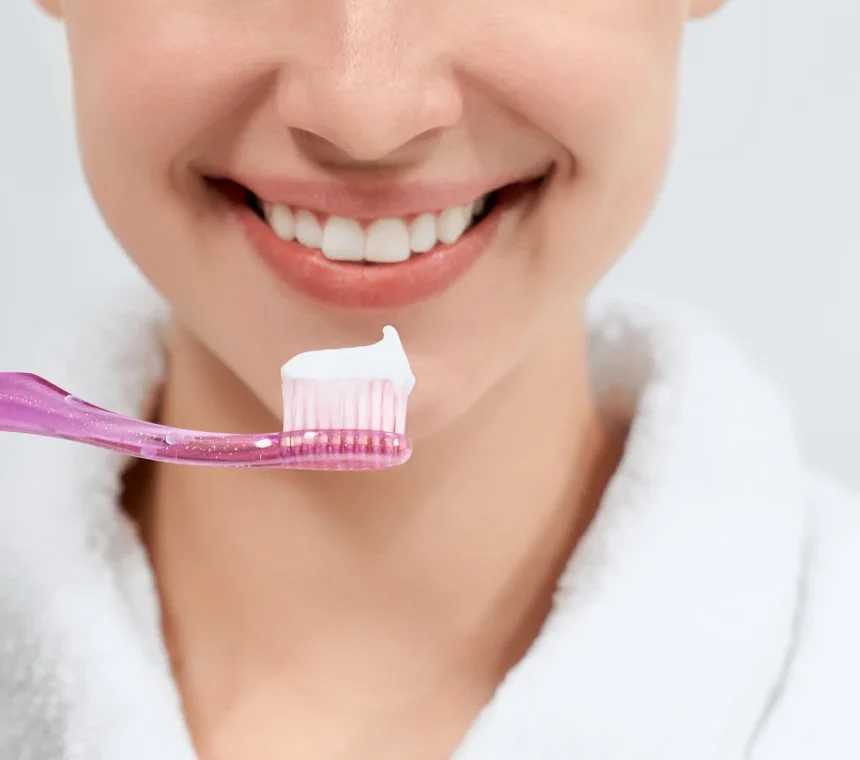
Interdental cleaning is essential for good oral hygiene, especially after specific treatment. Interdental brushes remove plaque and food debris where a toothbrush cannot reach. We explain how to choose the right size and show you the right technique to avoid irritation or bleeding. Daily use helps prevent tartar build-up, gum inflammation and recurring infections.
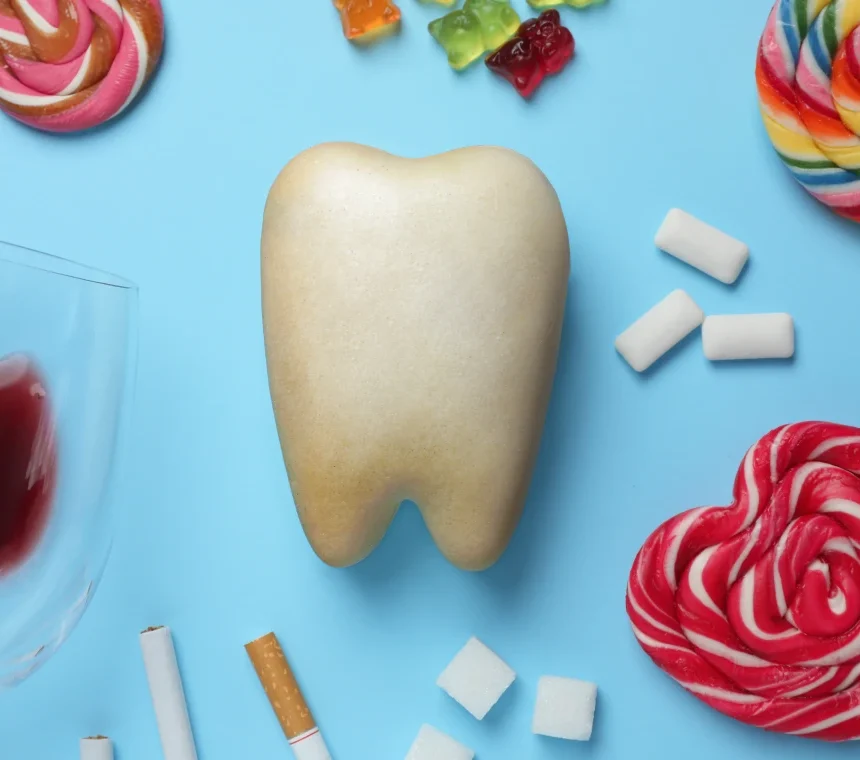
After dental treatment, diet plays a key role in healing. We recommend soft, lukewarm food rich in essential nutrients to support tissue repair. Soft foods such as purées, soups and yoghurts are best for the first few days. Avoid hard, crunchy, very hot or acidic foods, which could irritate the treated area. Our dentists give you personalised advice to adapt your diet to your treatment.
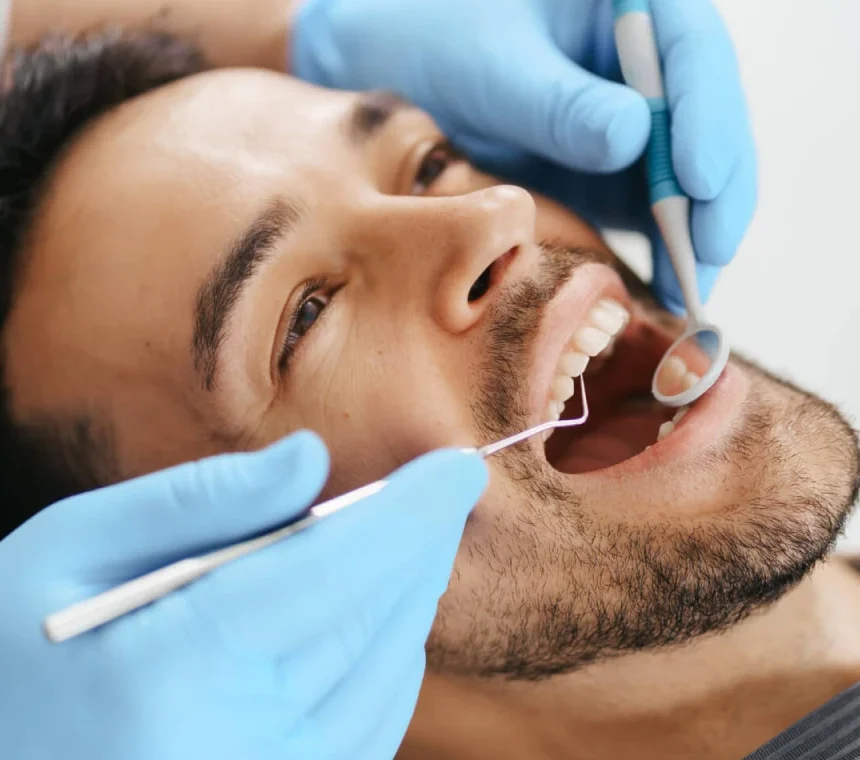
The days following a procedure are important for a good recovery and for avoiding complications. We give you clear, detailed instructions as soon as your treatment is finished: hygiene, diet, pain management and things to avoid. Each treatment has its own specific features, which is why our recommendations are always personalised. Following these instructions carefully helps you approach the post-operative period with peace of mind. Our team is available for any questions or adjustments in the days after your visit to the practice.
FAQ
Periodontology is the branch of dentistry that deals with the tissues supporting the teeth: gums, bone, ligament and cementum. It aims to prevent, diagnose and treat gum disease (gingivitis, periodontitis).
Gingivitis is a superficial inflammation of the gum, which can be reversed with good cleaning. Periodontitis is an advanced form in which the bone is affected, causing loose teeth and tooth loss if left untreated.
Common signs include bleeding when brushing, persistent bad breath, sore gums, receding gums, gaps between the teeth or loose teeth.
Treatment includes deep scaling (root planing), cleaning of the affected areas, sometimes the use of lasers or antibiotics and, in severe cases, regenerative gum surgery.
Careful brushing twice a day, floss or interdental brushes, regular scaling, stopping smoking and an annual check-up help prevent gum disease from developing and progressing.
An implant is a small titanium or zirconia screw placed in the bone to replace the root of a missing tooth. It supports a crown, a bridge or a denture.
The procedure is carried out under local anaesthetic. Most patients describe mild discomfort afterwards, comparable to a tooth extraction, which can be managed with simple painkillers.
The placement itself takes 20 to 30 minutes. The overall treatment takes 2 to 6 months, depending on healing and whether a bone graft is needed.
Yes, in some favourable cases. This is called immediate implant placement. The dentist assesses the amount of bone, the absence of infection and the initial stability before deciding.
With good hygiene and regular follow-up, an implant can last 15 to 25 years, sometimes longer. Smoking and some general health conditions can reduce this lifespan.
It covers treatments that aim to improve the appearance of the smile while respecting oral health, such as whitening, veneers, tooth alignment and composite restorations.
No, when it is carried out under professional supervision. The products used are safe and appropriate. Temporary sensitivity may occur, however.
It depends on the technique:
- no-prep veneers are partially reversible;
- veneers that require light preparation of the enamel are considered irreversible.
Clear aligners can straighten teeth discreetly. They are removable, comfortable and barely visible.
Yes. Composites often last 5 to 10 years and veneers 10 to 20 years, depending on hygiene, habits (bruxism, diet) and regular check-ups.