Diet and oral health
Diet plays a central role in general health and in the balance of the mouth. Every food choice has a direct influence on the strength of the teeth, the health of the gums and the prevention of some conditions. A balanced diet provides the body with the nutrients it needs while reducing the risk of decay, inflammation and tooth sensitivity. Adopting good daily habits, especially when choosing food and drinks, is therefore an essential step towards keeping a healthy smile for the long term.
The basics of a balanced diet
A balanced diet is based on variety and moderation. It should provide carbohydrates, proteins, fats, vitamins and minerals regularly and in line with each person’s needs. For oral health, some nutrients are particularly important: calcium, vitamin D, phosphorus and fibre.
They strengthen the mineralisation of the teeth, support the jawbone and stimulate the production of saliva, the mouth’s natural protection.

In fact, the aim is not to ban foods, but to understand their impact and include them sensibly in a balanced diet.
Diet and tooth decay
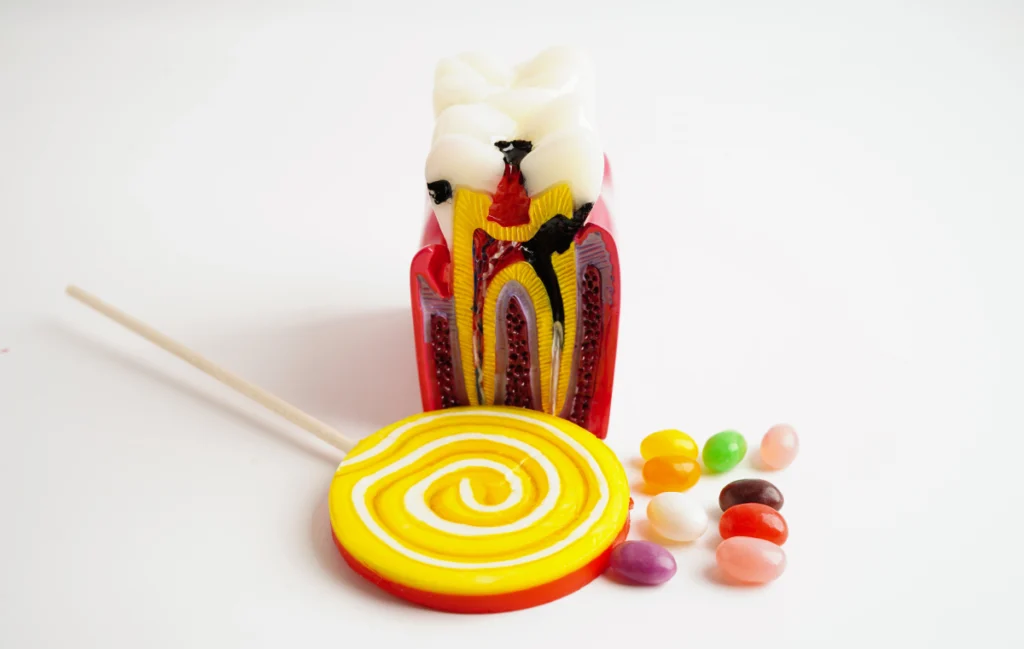
Decay develops more easily when simple sugars are eaten repeatedly. These sugars feed the bacteria in dental plaque, which then produce acids that demineralise the enamel.
Sweets, fizzy drinks, pastries and processed fruit juices are among the main culprits. However, the effect on decay depends more on how often sugar is eaten than on the total amount. Snacking on sugary products several times a day exposes the teeth more than having a sweet portion at the end of a meal.
Diet and gum health
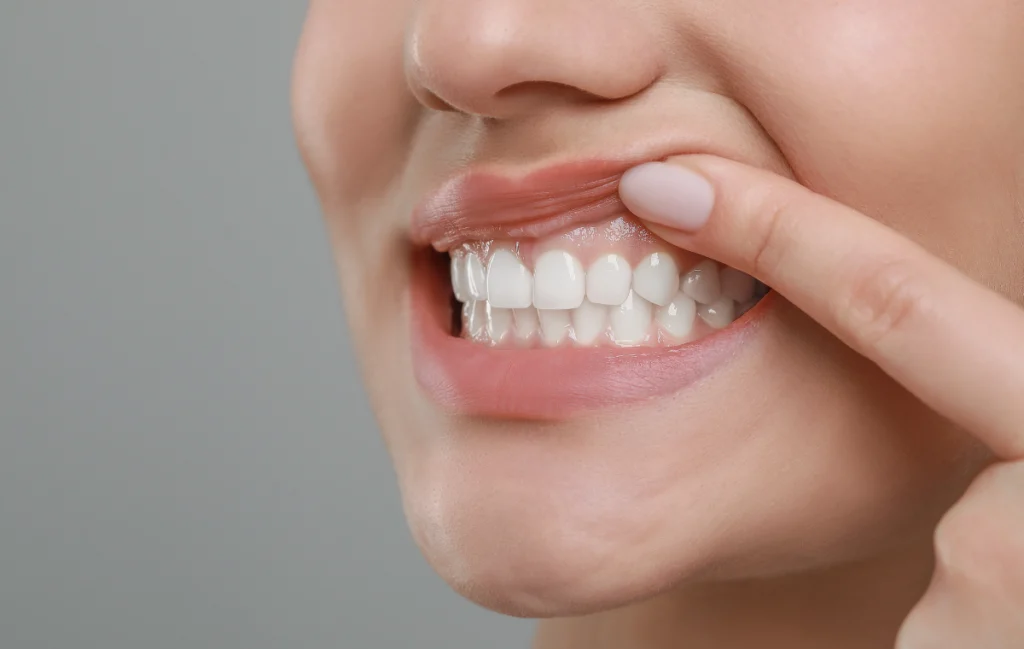
The gums react strongly to nutritional imbalances. A diet rich in vitamin C and antioxidants helps strengthen the tissues and limit inflammation. Fresh fruit, colourful vegetables and citrus fruits help protect the gums.
Conversely, a diet too high in sugar and saturated fat promotes chronic inflammation, which can make gum disease worse.
The protective role of saliva
Saliva plays an essential role in the balance of the mouth. It neutralises the acids produced by bacteria and helps remineralise the enamel. Some foods, such as crunchy fruit and vegetables (apples, carrots, celery), stimulate its production.
Good hydration is also essential. Drinking water regularly supports saliva production and reduces the risk of a dry mouth.
Foods to favour
- Dairy products, rich in calcium and phosphorus, which help strengthen the teeth.
- Green vegetables, a source of fibre and vitamins.
- Fresh fruit, preferably eaten whole rather than as juice.
- Oily fish, providing vitamin D and essential fatty acids.
- Nuts and seeds, rich in minerals and plant protein.
These foods contribute to a balanced diet while supporting dental health.
Foods to limit
Some products are best consumed in moderation:
- Sugary drinks, often acidic, which contribute to enamel erosion.
- Sticky sweets, which stay on the teeth for a long time.
- Biscuits and pastries, rich in refined sugars.
- Alcoholic drinks, which cause dehydration and acidity in the mouth.
Limiting them helps preserve the enamel and reduce the risk of decay.
Diet and tooth erosion
Tooth erosion results from repeated exposure to dietary acids, independently of bacteria. Fizzy drinks, citrus juices, vinegar and some very acidic fruits weaken the enamel when consumed too often.
It is therefore advisable to have these drinks with meals, use a straw to limit contact with the teeth and rinse your mouth with water afterwards.
Diet and orthodontic appliances
For patients wearing braces, some foods are a risk for the brackets and make brushing more difficult. Very hard, sticky or fibrous foods are best avoided. It is preferable to cut food into small pieces and keep up strict hygiene after every meal.
Practical everyday tips
- Vary textures to stimulate chewing.
- Avoid snacking between meals.
- Make water your main drink.
- Eat fresh, minimally processed food.
- Keep up a suitable oral hygiene routine.
Introduced gradually, these habits help maintain the balance of the mouth.
FAQ on diet and oral health
- Which foods protect the teeth best?
Dairy products, green vegetables and crunchy fruit help strengthen the teeth and stimulate saliva.
- Should sugar be avoided completely?
No, but it is best to limit how often you eat it and to have sugar with meals.
- Do diet fizzy drinks damage teeth?
Yes, their acidity can weaken the enamel even without sugar.
- Can I brush my teeth straight after an acidic meal?
It is better to wait at least 30 minutes to avoid damaging enamel softened by acid.
- Is a balanced diet enough to protect the gums?
It plays an important role, but it should be combined with regular brushing and check-ups.
Protecting your oral health through diet
Looking after your diet is a simple, everyday step that contributes to the health of your teeth and gums. Combined with good hygiene, food choices limit the risk of decay and inflammation. For suitable follow-up and personalised advice, you can book an appointment online with Dr Lisa Baure and Dr Jean-Michel Heurtebise at the Cabinet dentaire du Lys in Juan-les-Pins.
You may also be interested in: