Dental veneers
Dental veneers are thin shells bonded to the visible surface of the teeth. They are usually made of ceramic or composite resin and are designed to change the appearance of the smile. Unlike a crown, which covers the whole tooth, a veneer only covers the front surface. This treatment is for patients who wish to harmonise the colour, shape or alignment of their teeth while keeping the tooth structure as natural as possible.
Veneers are therefore a conservative option, as they require minimal preparation of the tooth enamel. The dentist assesses each individual situation before suggesting this type of treatment, to make sure it suits the patient’s expectations and oral health.
Why choose veneers?
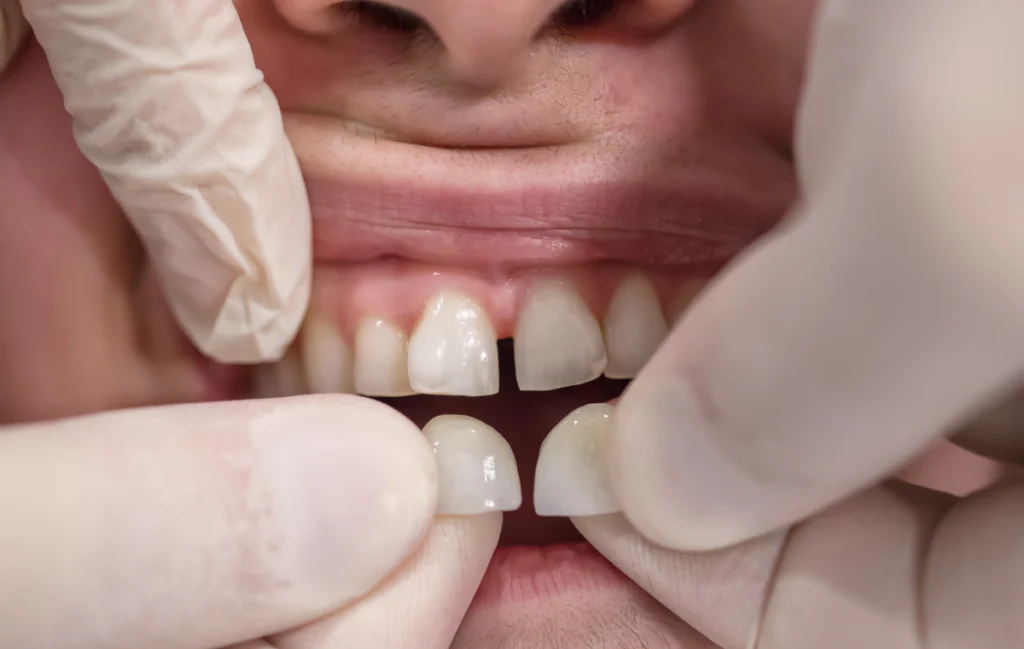
There are several reasons why someone may consider veneers. Some teeth have discolouration that does not fade even after whitening. Others are slightly worn, chipped or have a shape that does not match the look the patient would like. Veneers can then give a more even smile.
They may also be considered when teeth are slightly misaligned or have small gaps.
In this case, they do not replace orthodontic treatment, but they can conceal some minor irregularities. The dentist always explains the alternatives and recommends the most suitable option for each patient.
Materials used for veneers
Two main materials are used: ceramic and composite.
- Ceramic: known for its durability and natural look, it imitates the translucency of enamel. Ceramic veneers require careful preparation and take longer to make, as they are custom-made in a dental laboratory.
- Composite: applied directly by the dentist, it offers a quicker option. The result is satisfactory, but composite veneers generally last less long than ceramic ones.
The choice of material depends on several factors: the initial condition of the teeth, the patient’s aesthetic expectations, budget, and whether they prefer a longer-lasting or a more accessible option.
How veneers are fitted
Fitting veneers involves several successive steps.
First consultation
The dentist carries out a full assessment, checks your oral health and discusses your expectations. Photographs and sometimes impressions are taken to prepare the smile design.
Preparing the teeth
In some cases, the enamel needs to be reduced slightly to make room for the veneer. This preparation is very limited, as it only concerns the outer surface, and it is carried out with care for your comfort.
Temporary phase and approval
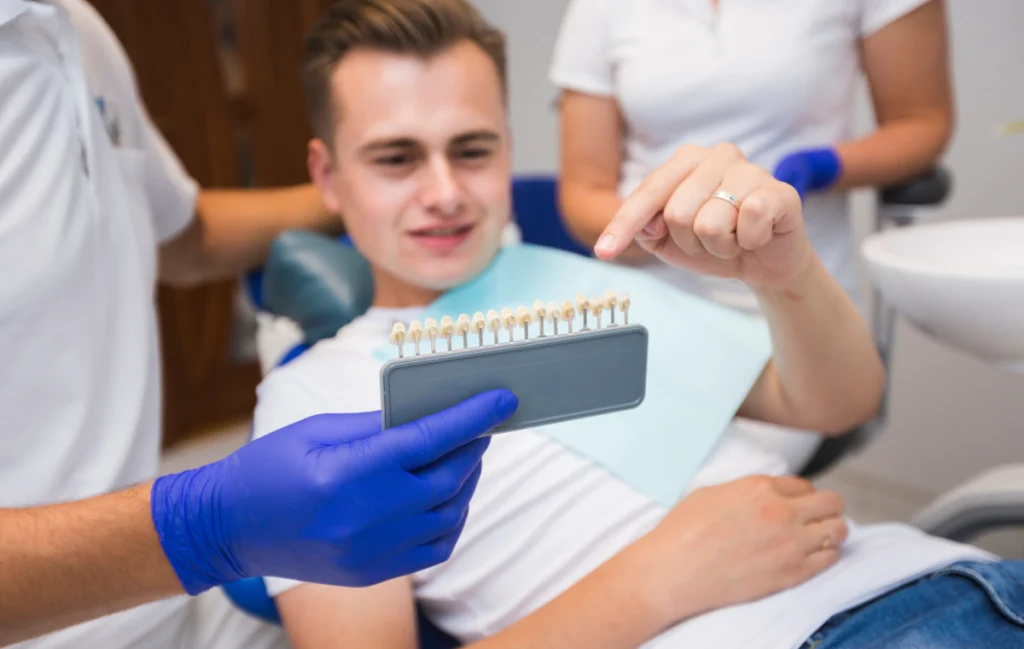
Before the final veneers are fitted, you may wear temporary veneers or try a “mock-up” (a resin model) to preview your future smile. This step is essential to approve the plan.
Fitting the final veneers
Once the veneers have been made, they are bonded to the teeth with a special resin. The dentist carefully checks your bite, that is, how your teeth fit together, for comfort and stability.
Lifespan and care
How long veneers last depends on the material used and the patient’s oral hygiene. Ceramic veneers can last more than ten years, or even longer if well cared for. Composite veneers have a shorter lifespan, often between five and seven years.
To keep them looking good and stable, it is advisable to:
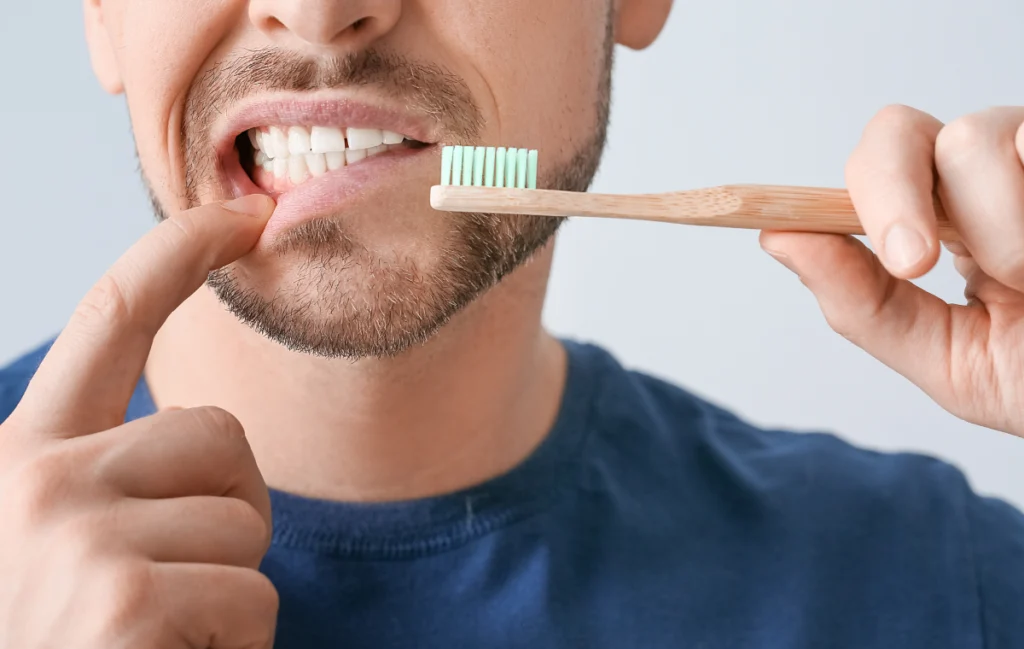
- maintain careful oral hygiene (brushing twice a day and flossing);
- see your dentist regularly for professional follow-up;
- avoid biting very hard foods or using your teeth as tools (to open packaging, for example).
Limitations and precautions
Veneers are not suitable for every situation. When teeth are badly damaged, a crown may be preferable. Likewise, if you grind your teeth (bruxism), this should be treated before veneers are fitted, as it can weaken the ceramic.
The dentist also needs to make sure the gums are healthy, as gum inflammation can affect the appearance and longevity of the result.
Veneers and alternatives
Veneers are not the only option for improving the appearance of your smile. Depending on your situation, other treatments may be suggested:
- Teeth whitening: suitable when colour is the main concern.
- Orthodontics: recommended for more marked misalignment.
- Restorative treatment: such as composite fillings or crowns when the tooth structure is too damaged.
Each option has specific indications, and the choice is made case by case.
Follow-up after veneers
Regular follow-up is essential. The dentist checks the stability of the veneers, the condition of the gums and the integrity of the bonding. These visits also make it possible to check for excessive wear or cracks.
This helps you keep a harmonious smile over time and avoid possible complications.
Veneers FAQ
- Do veneers damage teeth?
Preparation is generally minimal and only concerns the enamel. The teeth remain alive and functional.
- Are veneers reversible?
Once a tooth has been slightly prepared, it cannot be returned to its original state without restoring the surface with a new veneer or another solution.
- Can veneers be fitted on all teeth?
They are mainly intended for the teeth visible when you smile (incisors and canines). Molars are not generally concerned.
- What is the difference between a veneer and a crown?
A veneer covers only the front surface of the tooth, whereas a crown covers the whole tooth.
- Can I have veneers if I grind my teeth?
Bruxism needs to be treated first, often with a night guard, to avoid damaging the veneers.
Book an appointment
Veneers call for a personalised approach and attentive support. Every smile is unique and needs an approach adapted to the patient’s needs. To find out more or discuss treatment, you can contact Dr Lisa Baure and Dr Jean-Michel Heurtebise at the Cabinet dentaire du Lys in Juan-les-Pins and book an appointment online.
You may also be interested in: