Gum disease treatment
Gum disease treatment covers the care and procedures that help keep the tissues around the teeth healthy. These tissues hold the teeth in place and protect their roots. When they are weakened by inflammation or infection, appropriate treatment becomes necessary.
This care is not only for established disease. It also includes prevention and regular check-ups, to keep your gums healthy throughout life.
The main problems affecting the gums
Gingivitis
Gingivitis is a superficial inflammation of the gum. It causes redness, bleeding and tenderness, and most often results from a build-up of plaque. Caught early, it clears up with a professional clean and more thorough daily hygiene. If it persists, however, it can develop into periodontitis.
Periodontitis
Periodontitis affects the deeper tissues that support the tooth, including the bone. It can sometimes lead to loose teeth or tooth loss. At this stage, specific treatment is needed, aimed at stopping the disease from progressing and preserving the remaining structures.
Gum recession
Gum recession is when the gum pulls back, exposing the root of the tooth. This leads to sensitivity and a higher risk of decay. Over-vigorous brushing, misaligned teeth and age are common causes. Treatment aims to protect the exposed tooth and, in some cases, to strengthen the gum tissue.
The aims of treatment
Gum disease treatment aims to:
- control inflammation,
- reduce bacterial infection,
- stabilise the tissues,
- improve everyday comfort,
- help maintain general health.
In this way, it protects the teeth while contributing to the body’s overall balance.
The stages of treatment
Diagnosis
The dentist examines the appearance of the gums, measures the depth of the pockets around the teeth and may take X-rays. This full assessment determines the stage of the disease and guides treatment.
Scaling and root planing
Scaling removes plaque and tartar deposits. When these deposits are below the gum line, root planing cleans the root and helps the gum heal. These procedures are the foundation of treatment.
Additional treatment
In more advanced cases, other treatments may be offered:
- local antiseptic applications,
- closer follow-up,
- surgical procedures if necessary.
Each treatment plan is adapted to the patient’s situation.
The importance of prevention
Prevention is a cornerstone of care. It relies on:
- brushing effectively twice a day,
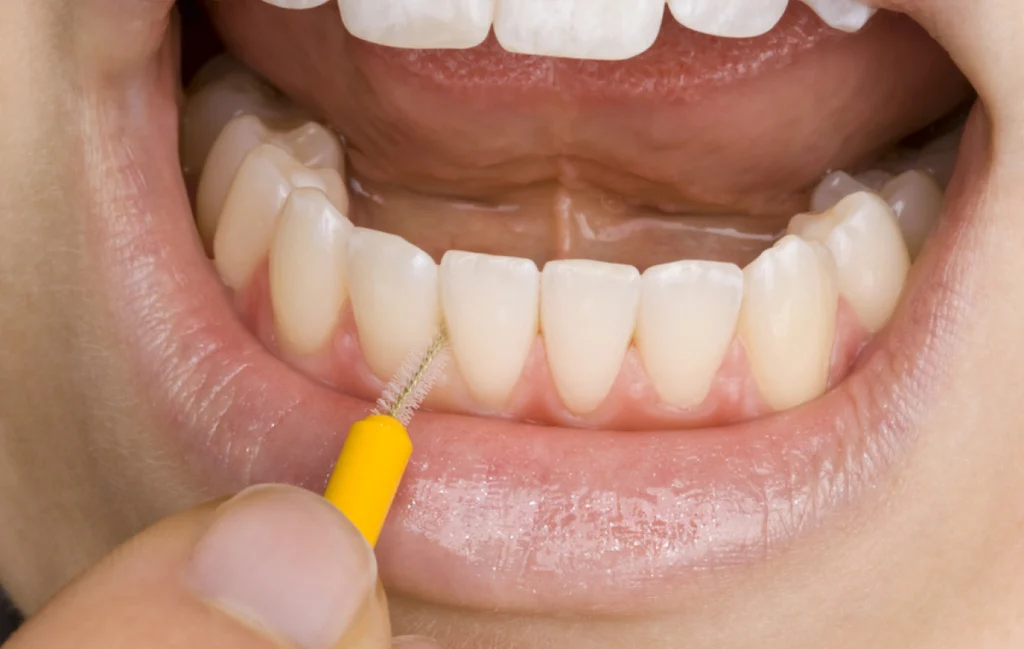
- using dental floss or interdental brushes,
- a balanced diet,
- regular visits for check-ups and cleaning.
With these habits, the gums stay resilient and disease can be prevented or stopped at a very early stage.
Gum health and general health
Gum disease is not limited to the mouth. Several studies have shown a link between these conditions and other chronic diseases. For example, poorly controlled periodontitis can make blood sugar harder to manage in people with diabetes, and chronic inflammation may increase some cardiovascular risks.
These links show how important a healthy mouth is for overall health. By looking after your gums, you are also looking after your general well-being.
Gum care for children and teenagers
Young people can also have gum problems. For example, wearing braces can make plaque build up more easily, which increases the risk of gingivitis, and insufficient hygiene makes things worse.
Regular follow-up, together with practical advice, helps children and teenagers learn the right habits early, habits that will stay with them for life.
Support throughout treatment
Gum disease treatment is not a one-off procedure: regular follow-up plays a central role. Visits are used to check healing, adapt daily hygiene and quickly detect any relapse.
Patients also become actively involved in their oral health. With practical advice and caring support, they learn how to protect their gums in the long term.
Gum disease treatment FAQ
- Is gum disease treatment painful?
Most procedures are carried out under local anaesthetic when needed and are generally well tolerated.
- How long does it take to see an improvement?
The first signs, such as less bleeding, may appear within the first few weeks. Complete healing depends on how advanced the disease was at the start.
- Is scaling enough to treat gingivitis?
Yes, provided it is combined with good daily hygiene. Follow-up is still essential to prevent it from coming back.
- Can gum disease cause tooth loss?
Yes, in severe, untreated cases periodontitis can lead to tooth loss, which is why early diagnosis and appropriate treatment are so important.
- Can gum disease come back after treatment?
It can recur if hygiene or follow-up are not maintained. Regular support helps reduce this risk.
Book an appointment for gum disease treatment
If you notice sensitivity or bleeding, it is advisable to see a dentist promptly. The dentists provide attentive, personalised support to help preserve your oral health in the long term. You can book a consultation online now with Dr Lisa Baure and Dr Jean-Michel Heurtebise at the Cabinet dentaire du Lys in Juan-les-Pins for gum treatment suited to your situation.
You may also be interested in: