Bone graft
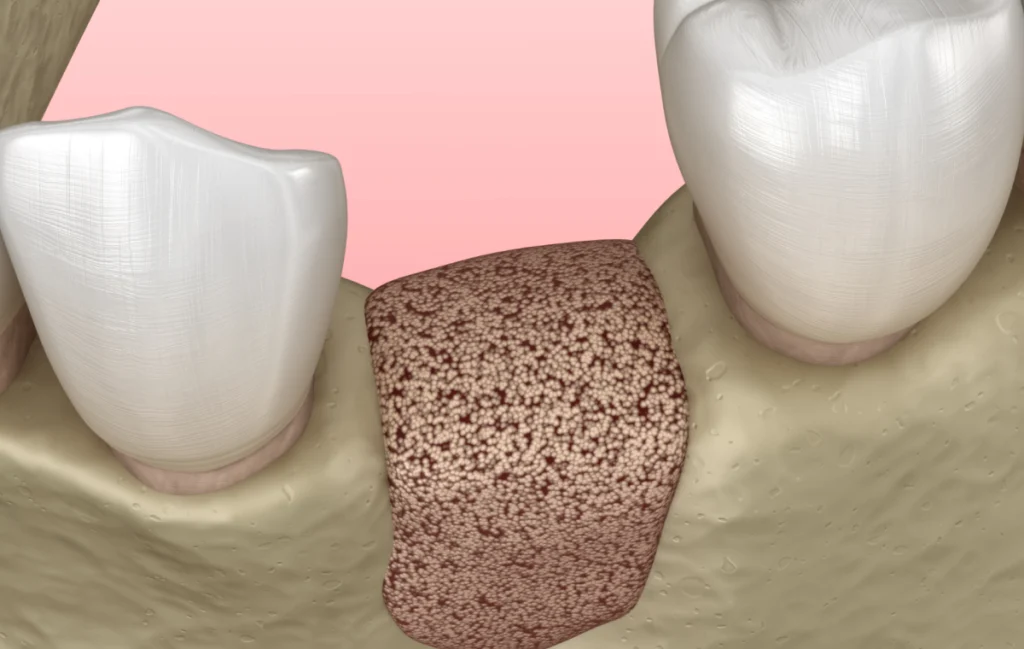
A bone graft is a dental procedure that adds bone to the jaw or stimulates its regeneration. It restores sufficient bone volume when the bone has shrunk after a tooth extraction, gum disease or an injury.
When a tooth is missing, the bone that held it naturally diminishes, and some conditions can speed this up. A bone graft then recreates a solid base to support a dental implant or to maintain the balance of the mouth.
When is a bone graft needed?
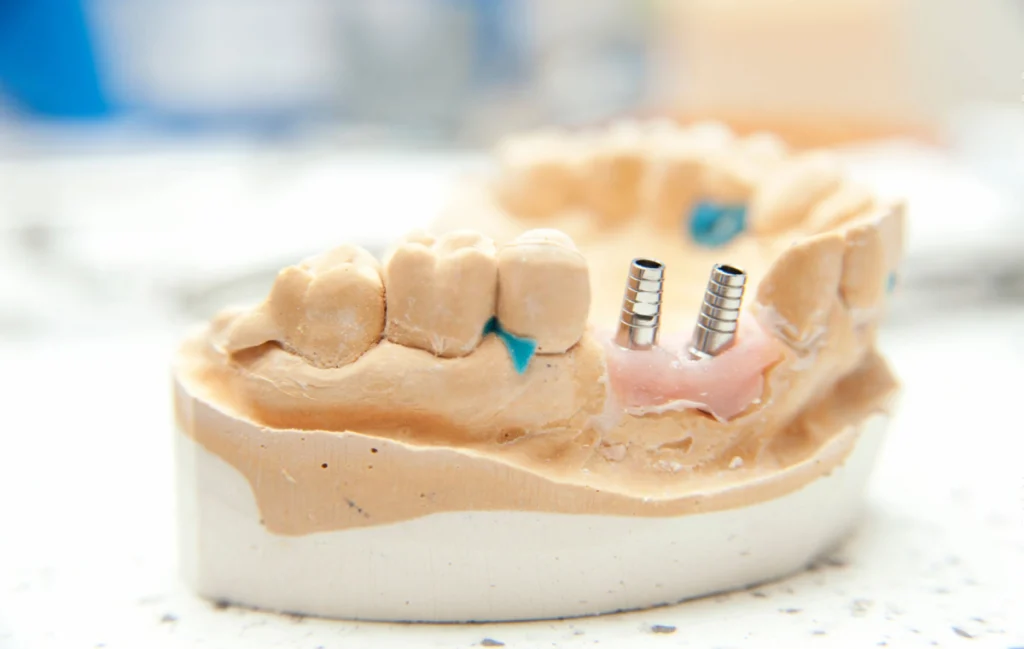
Dentists may suggest a bone graft in several situations:
- The bone is too thin or too weak for an implant.
- A recent extraction is likely to lead to bone loss.
- Periodontitis has caused localised bone loss.
- An injury or a malformation has weakened the jaw.
Based on a clinical and X-ray examination, the dentist decides whether a graft is needed and chooses the most suitable technique.
The different types of bone graft
- Autogenous graft
Bone is taken from the patient, often from the jaw. Being naturally compatible, this tissue promotes good regeneration.
- Allogeneic graft
Here, the bone comes from a human donor. Tissue banks prepare and sterilise it for safe use. This method avoids an additional procedure for the patient.
- Xenogeneic graft
Bone from another species, often bovine, is used. This material acts as a scaffold and stimulates the formation of new bone.
- Synthetic substitutes
Laboratory-made biomaterials mimic the properties of natural bone. They encourage regeneration and are used alone or in combination with other grafts.
- Synthetic bone substitute materials
These are designed in the laboratory to imitate natural bone. These biomaterials stimulate bone formation and can be used alone or combined with other techniques.
How the procedure works
The bone graft is carried out under local anaesthetic, sometimes with light sedation. The dentist prepares the area, places the graft material and holds it in place with a protective membrane, then closes the tissues so that healing can begin.
The length of the procedure depends on how complex the area is, ranging from around thirty minutes to more than an hour.
Healing and follow-up
After a graft, the bone needs to heal. Over the following weeks, the material fuses with the existing bone. As a rule, consolidation takes between three and nine months.
The dentist monitors progress regularly with clinical and X-ray examinations to check how solid the new bone is. Following this, the patient can have an implant placed or regain a stable jaw.
Precautions and advice after a bone graft
After the procedure, a few simple rules should be followed:
- Eat soft, lukewarm food for the first few days.
- Keep up oral hygiene as advised.
- Take any prescribed medication correctly.
- Avoid smoking, as it slows bone healing.
Following this advice helps bone regeneration take place in good conditions.

Techniques that complement bone grafting
Socket preservation
This is carried out immediately after an extraction to prevent bone loss and preserve the volume of the jaw.
Sinus lift
In the upper jaw, the floor of the sinus is raised to increase the height of the bone. This technique is useful in the molar region.
Guided bone regeneration
A membrane is placed to stop the soft tissues from invading the area, so that the bone can develop properly.
Bone grafts and dental implants
A bone graft prepares the ground for an implant, which needs solid bone support to remain stable. When there is not enough bone, the dentist first suggests a graft.
In some cases, the graft and the implant are placed in the same appointment. This decision depends on the quality of the existing bone.
Bone graft FAQ
- Is a bone graft painful?
The procedure is carried out under local anaesthetic, so you should not feel pain during treatment. Afterwards, mild pain or swelling may occur, generally well controlled with appropriate medication.
- How long before an implant can be placed?
The waiting time varies between 3 and 9 months, depending on the technique used and how the patient heals.
- Are bone grafts always successful?
The success rate is high, but it depends on several factors: general health, oral hygiene, following post-operative instructions and not smoking.
- Can I get back to normal life quickly?
Most patients resume their activities the next day. However, intense physical exertion is best avoided for the first few days.
Book an appointment
A bone graft is an important step in restoring a strong, functional jaw. If you would like to find out more or to know whether this treatment is suitable for you, it is best to consult a dentist directly. You can book an appointment online with Dr Lisa Baure and Dr Jean-Michel Heurtebise at the Cabinet dentaire du Lys in Juan-les-Pins.
You may also be interested in: