Occlusal dentistry
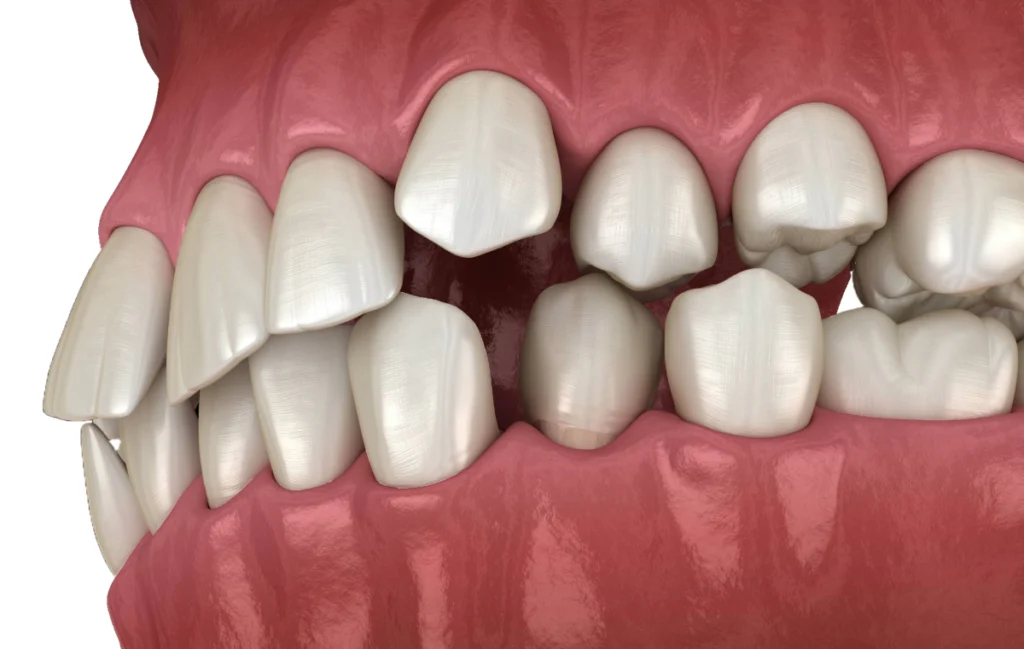
Occlusal dentistry (occlusodontics) is the branch of dentistry concerned with the balance of contact between the upper and lower teeth, in other words the dental occlusion or bite. This balance plays a decisive role in chewing, speech and even posture. When the teeth fit together properly, the jaw works smoothly and the surrounding muscles work without excessive tension.
Conversely, even a slight imbalance can cause muscle pain, premature tooth wear or functional problems.
Occlusal dentistry therefore relies on careful observation of the relationship between the teeth, the jaw and the facial muscles, in order to restore stable, comfortable chewing. This preventive and curative approach aims to limit long-term complications and improve comfort over time.
Why a balanced bite matters
A stable, balanced bite is essential for oral health. A disturbed bite can have effects beyond the teeth and gums, affecting the temporomandibular joint (TMJ), the facial muscles and even general posture.
Signs of an unbalanced bite include:
- muscle pain in the jaw or neck,
- frequent headaches,
- clicking or locking of the jaw,
- excessive tooth wear,
- discomfort when chewing.
Recognising these signs is a key step towards appropriate treatment.
The causes of bite problems

Several factors can explain the onset of bite problems. The most common include:
- inherited or acquired misalignment of the teeth,
- missing teeth that alter the balance,
- old or poorly fitting dental restorations,
- habits such as bruxism (teeth grinding),
- injuries to the jaw.
These causes often add up and gradually lead to symptoms. A thorough assessment makes it possible to identify the exact cause and suggest a suitable solution.
Diagnosis in occlusal dentistry
Diagnosis is based on a careful clinical examination. The dentist looks at how the teeth fit together, as well as how the muscles and joints work. Several tools may be used:
- mobility tests and palpation of the muscles,
- analysis of tooth contacts with special articulating paper,
- models or digital impressions,
- in some cases, X-rays or scans.
This precise diagnosis helps understand the cause of the imbalance and determine whether it is a minor disturbance or a more complex problem requiring a comprehensive approach.
Treatment approaches in occlusal dentistry
Occlusal dentistry offers various treatment options, adapted to each situation. These may include:
Bite adjustment
This involves rebalancing tooth contacts by lightly polishing certain areas. It is indicated when the imbalance is minimal.
Occlusal splints
These are removable appliances worn at night or sometimes during the day. They help relax the muscles, protect the teeth from wear and distribute forces more evenly.
Prosthetic rehabilitation
When teeth are missing or too damaged, prostheses may be needed to restore a correct bite.
Orthodontics
In some situations, controlled movement of the teeth is necessary to correct the bite.
Each treatment is defined according to the patient’s specific needs and the severity of the problem.
The link between the bite and the temporomandibular joints
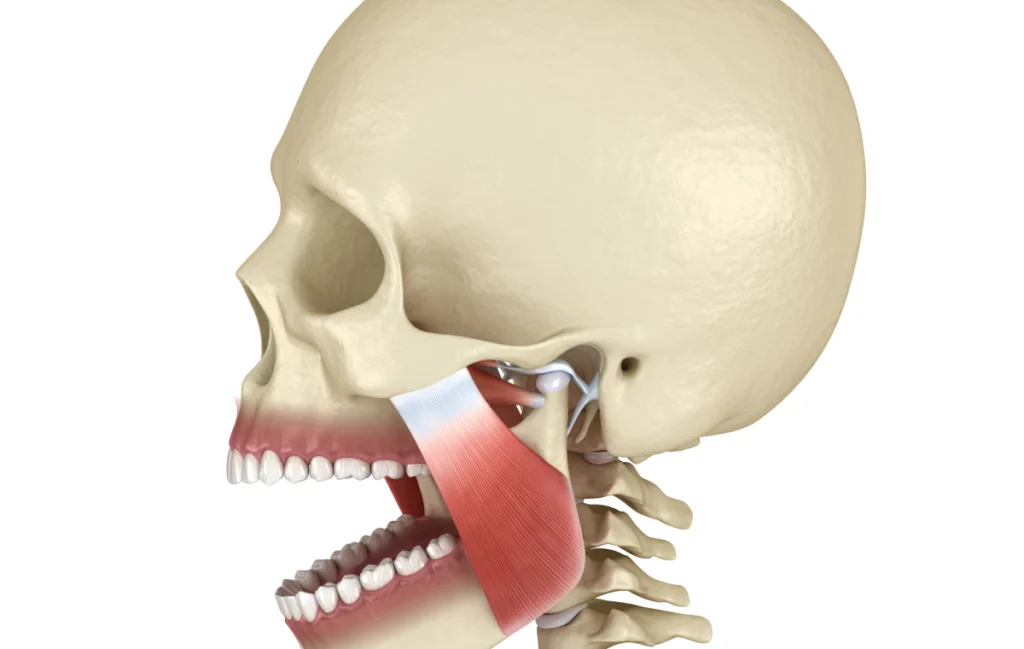
The temporomandibular joints, located on either side of the face, allow the mouth to open and close. They are used every time we chew, speak or swallow. An unbalanced bite can disrupt how they work and lead to chronic pain or locking.
These problems, known as temporomandibular disorders, require multidisciplinary care that may combine occlusal dentistry, physiotherapy and sometimes physical medicine. The aim is to improve comfort over time.
Occlusal dentistry and bruxism
Bruxism is one of the most common reasons for consulting in occlusal dentistry. It involves involuntary grinding or clenching of the teeth, often during sleep, which leads to premature enamel wear, muscle pain and sometimes cracked teeth.
Treatment usually involves wearing a protective splint, together with advice on reducing stress, which is often linked to bruxism. Follow-up helps protect the teeth and limit muscle tension.
Prevention and hygiene
Keeping a balanced bite also depends on good hygiene and regular visits to the dentist. It is advisable to:
- see a dentist as soon as jaw pain or clicking appears,
- replace missing teeth to maintain balance,
- have prostheses and crowns checked regularly,
- avoid deliberately grinding your teeth.
These simple habits help keep chewing comfortable and prevent complications.
Occlusal dentistry FAQ
- Is occlusal treatment painful?
The examinations and treatments are generally comfortable and well tolerated. Appliances such as splints are designed to improve comfort.
- Is a splint always necessary?
Not always. The dentist may recommend a splint depending on the symptoms, but other approaches may be enough.
- Can bite problems be prevented?
Regular follow-up and early treatment of misaligned or missing teeth greatly reduce the risk of imbalance.
- Can children be concerned by occlusal problems?
Yes, particularly when teeth are misaligned early on. Orthodontic follow-up may then be suggested.
Book an appointment
Occlusal dentistry plays a key role in maintaining balanced chewing and in preventing joint or muscle pain. An accurate diagnosis and suitable treatment can improve everyday comfort over time. For personalised support, you can book an appointment online with Dr Lisa Baure and Dr Jean-Michel Heurtebise at the Cabinet dentaire du Lys in Juan-les-Pins.
You may also be interested in: