Post-operative advice
After dental treatment, the recovery period is an essential step for good healing and avoiding complications. Post-operative advice is there to support patients from the moment they leave the practice, so that they adopt the right habits. These simple but important recommendations cover diet, oral hygiene, pain management and monitoring healing. Every patient experiences this period differently, but following your dentist’s instructions helps you recover quickly and comfortably.
Managing the first few hours
The first few hours after a procedure are often the most sensitive. It is normal to feel some discomfort, sometimes with slight bleeding. Keep a clean gauze pad on the treated area to help the blood clot.
During this time, it is best to rest your mouth, avoiding too much talking or chewing.
Also avoid spitting, rinsing vigorously or using a straw, as these can dislodge the blood clot, which is essential for healing. Finally, keep your head slightly raised when resting to limit swelling.
What to eat after a procedure
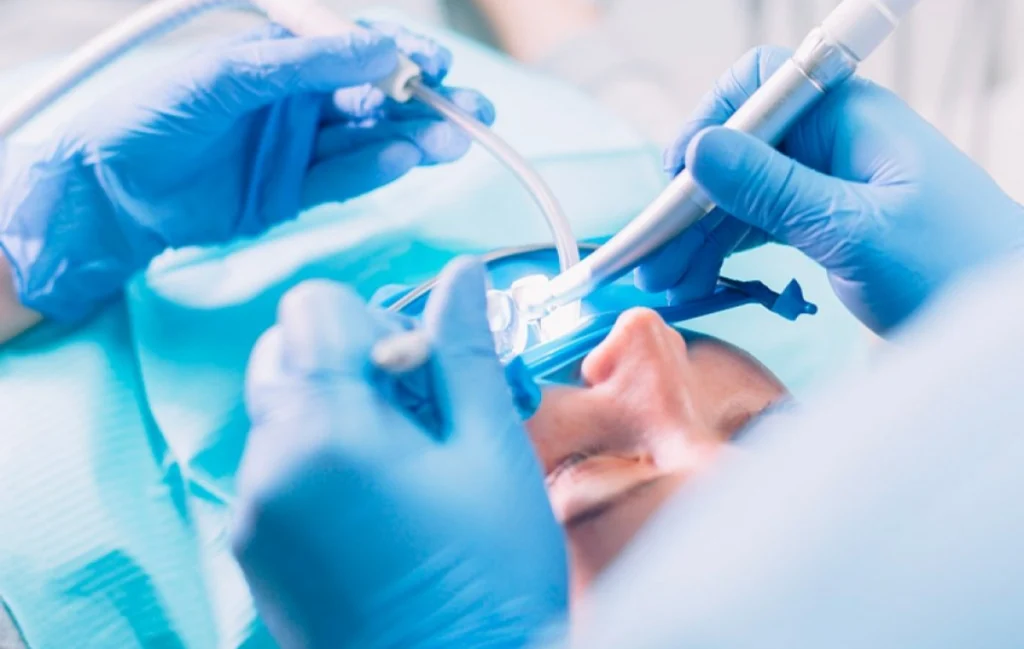
Diet plays a key role in recovery. Meals should be adapted so as not to put strain on the treated area. For the first 24 to 48 hours, choose soft, lukewarm foods: soups, stewed fruit, purées and yoghurts are good options.
Avoid food that is too hot, spicy or acidic, as it can irritate the gum. Hard or crunchy foods such as nuts or crisps can also disturb healing. Return to a normal diet gradually, following your dentist’s advice.
Managing pain and swelling
Pain after dental treatment is generally moderate and can be relieved with painkillers prescribed by the dentist. It is important to follow the dosage and timing to stay comfortable.
Applying cold locally, for example an ice pack wrapped in a cloth, helps reduce inflammation and swelling. Repeat this intermittently, for 15 minutes at a time. Avoid self-medication, as some medicines, particularly aspirin, can increase the risk of bleeding.
Oral hygiene after a procedure
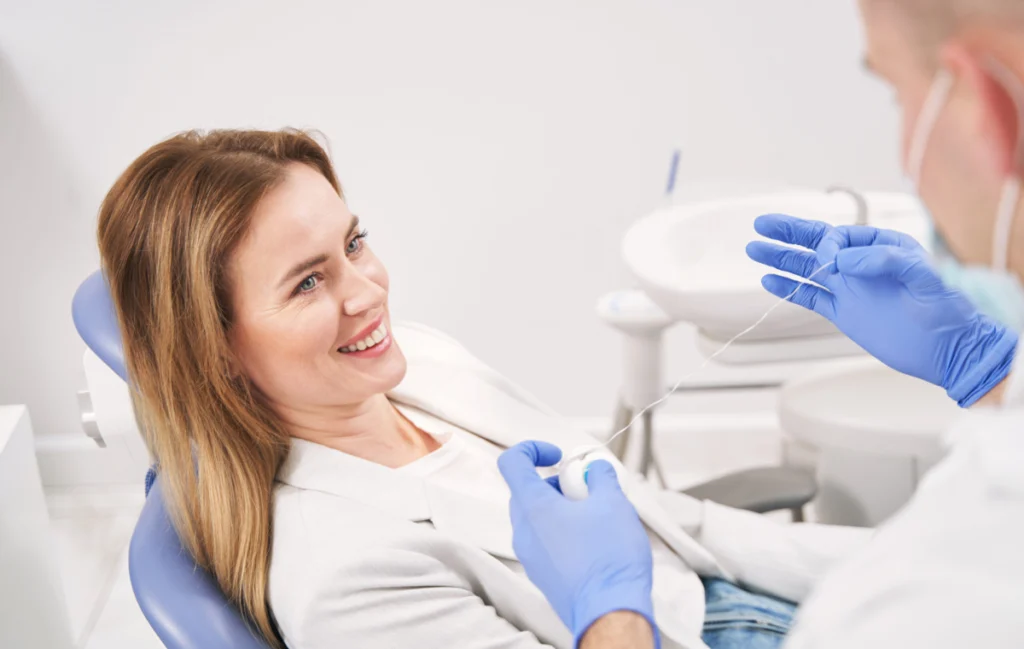
Good oral hygiene is essential to prevent infection, but it needs to be adapted in the days following the procedure. You can resume brushing quickly, but very gently and avoiding the treated area.
Mouthwash may be prescribed. Do not use it immediately: wait 24 hours after the procedure so as not to disturb clotting, and follow your dentist’s instructions precisely, without overdoing it.
Activities to avoid
Some everyday activities and habits can delay healing. Avoid intense physical activity, lifting heavy loads and sport for the first few days, as these increase blood flow and can cause bleeding to start again.
Smoking and alcohol should also be avoided, as they directly hinder healing. In general, rest and take things easy in the days after the procedure.
Follow-up and warning signs
A follow-up appointment is often scheduled to check that healing is going well. However, stay alert to certain signs: persistent pain, fever, heavy bleeding or an unpleasant smell may indicate a complication. If this happens, contact your dentist promptly for advice.
Following post-operative advice helps limit these risks and supports recovery in good conditions.
Advice for specific procedures
Each type of dental procedure may require specific recommendations. For example, after a wisdom tooth extraction, the area may stay sensitive for several days and you should avoid touching the wound with your tongue or fingers. After an implant is placed, longer follow-up is needed to check that it has integrated.
Similarly, after gum surgery, an even softer diet and very careful hygiene are often recommended. These adjustments take account of each clinical situation.
Why consistency matters
Applying the recommendations carefully is decisive for healing. Neglecting some instructions, even ones that seem minor, can prolong discomfort or cause complications. Following a suitable routine, on the other hand, reassures the patient and makes recovery smoother.
This applies to daily hygiene, diet, following prescriptions and watching for any unusual signs.
Emotional well-being
The emotional side of recovery is often underestimated. Fear of pain, worries about healing or the inconvenience of dietary restrictions can affect morale. It is worth remembering that these reactions are normal and temporary.
Staying positive, taking time to rest and accepting help with everyday tasks when needed all help you get through this period more calmly.
Post-operative advice FAQ
- When can I return to a normal diet?
This depends on the procedure and on how comfortable you feel. In general, soft food is recommended for the first 2 to 3 days. Your dentist will tell you when you can vary your meals.
- Can I smoke after dental surgery?
Smoking is strongly discouraged in the days following the procedure, as it slows healing and increases the risk of complications.
- Should I use mouthwash?
Only if your dentist has prescribed it. If so, wait at least 24 hours after the procedure before starting.
- Is swelling normal?
Yes, slight swelling is common and can last a few days. Applying cold locally helps reduce it.
- When should I contact my dentist again?
If you have a fever, severe pain, heavy bleeding or unusual discharge, contact the practice promptly.
Personalised support
Each patient receives follow-up adapted to their situation. Putting your dentist’s post-operative advice into practice is essential for good healing and a quick return to comfort. If you have any questions or concerns, it is always best to ask your dental practice directly.
For treatment or personalised advice, you can book an appointment online with Dr Lisa Baure and Dr Jean-Michel Heurtebise at the Cabinet dentaire du Lys in Juan-les-Pins.
You may also be interested in: